

Introduction
If you’ve recently searched for “andrea jenkyns miss uk”, you’re not alone. The phrase has been gaining traction online, sparking curiosity and confusion in equal measure. Is it a title? A past achievement? Or simply a misunderstanding fueled by internet trends?
In reality, this keyword reflects a mix of search curiosity, misinformation, and algorithm-driven suggestions. In this article, we’ll break down who Andrea Jenkyns is, what the phrase actually means, and why it’s trending—while helping you understand how similar keyword confusion happens online.
BIO
| Label | Information |
|---|---|
| Name | Andrea Jenkyns |
| Keyword | Andrea Jenkyns Miss UK |
| Category | Public figure search trend |
| Profession | British politician |
| Nationality | British |
| Known Role | Member of Parliament |
| Pageant Title | None |
| Keyword Meaning | Online confusion |
| Trend Cause | Search and social media |
| User Goal | Check if claim is true |
| Fact Status | No verified link |
| Key Insight | Trend is misleading |
Who Is Andrea Jenkyns?
Background and political career
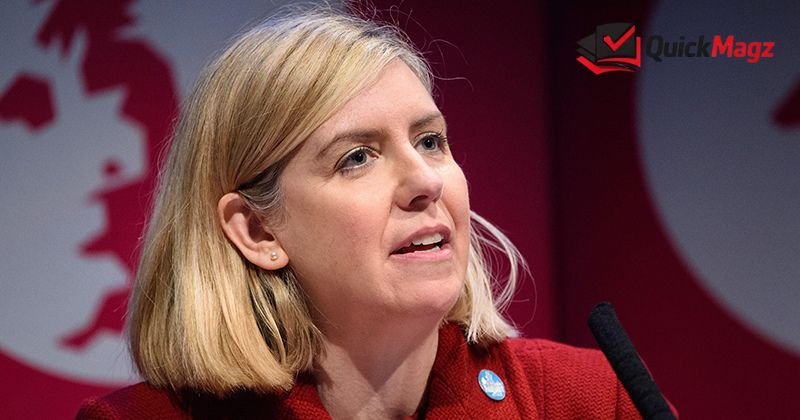
Andrea Jenkyns is a British politician known for her role as a Member of Parliament (MP) in the United Kingdom. She has been active in politics for several years and is associated with the Conservative Party.
Her political journey includes involvement in key national discussions, public appearances, and media coverage—making her a recognizable public figure in the UK.
Public image and media presence
Jenkyns has often been in the spotlight, both for her political views and her public interactions. Like many politicians, her presence extends beyond traditional media into social platforms, where visibility can amplify attention—sometimes in unexpected ways.
Why her name gains online attention
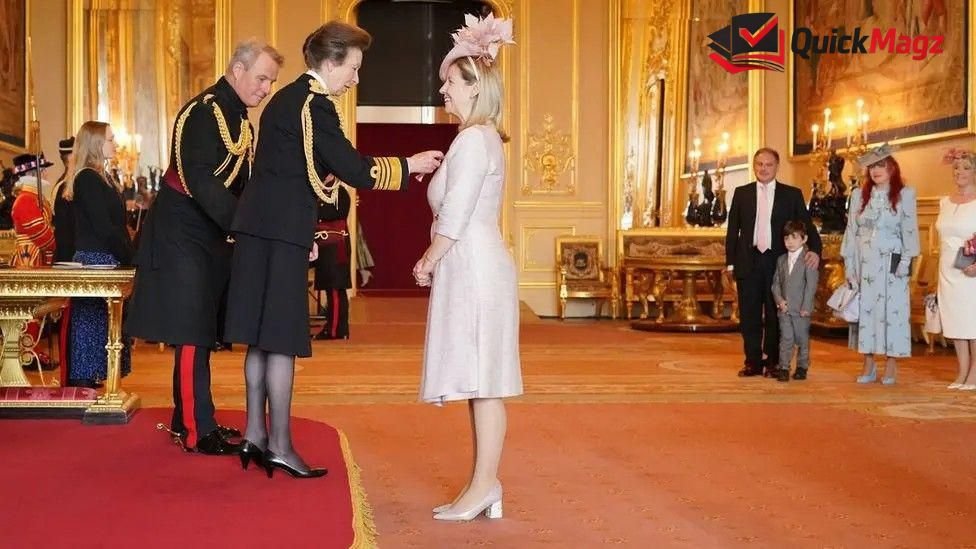
Public figures frequently become the subject of trending searches, especially when their names are linked—accurately or not—to unrelated topics. This is exactly where the phrase “andrea jenkyns miss uk” begins to emerge.
What Is “Andrea Jenkyns Miss UK”?
Let’s address the central question clearly.
There is no verified evidence that Andrea Jenkyns has ever held a Miss UK title or participated in a national beauty pageant.
Is it a title, rumor, or misunderstanding?
The phrase appears to be a misleading or misinterpreted search query rather than a factual statement. Users may assume a connection due to:
- Name similarity with other individuals
- Misleading headlines or social posts
- Autocomplete suggestions in search engines
Difference between Miss UK pageants and public figures
“Miss UK” refers to beauty pageants such as Miss Great Britain or other national competitions. These are entirely separate from political careers.
Understanding this distinction is key to avoiding confusion.
Possible origins of the keyword trend
The phrase likely originated from a combination of:
- Search engine suggestions
- Viral curiosity
- Users trying to verify a rumor
This type of keyword trend is more common than you might think.
Why Is “Andrea Jenkyns Miss UK” Trending Online?
Search trends and viral curiosity
When a few users begin searching for a specific phrase, search engines may start suggesting it to others. This creates a feedback loop where more people click on the same query—boosting its popularity.
Social media influence and misinformation
Social platforms often amplify unverified claims or assumptions. A single misleading post can lead thousands of users to search for clarification.
Role of search engine autocomplete
Autocomplete features are designed to predict what users want. However, they don’t verify accuracy—they simply reflect popular searches.
You can explore how public figures are documented and referenced on platforms like , which helps clarify factual information versus trending myths.
Clearing Up the Confusion
Is Andrea Jenkyns linked to beauty pageants?
No credible sources confirm any connection between Andrea Jenkyns and Miss UK pageants.
Common myths vs verified facts
Myth: Andrea Jenkyns was Miss UK
Fact: She is a politician with no known involvement in pageantry
Myth: The keyword reflects a hidden past
Fact: It’s likely a result of search behavior and misunderstanding
How misinformation spreads online
Misinformation spreads quickly because:
- People share without verifying
- Algorithms prioritize engagement
- Curiosity drives clicks
Understanding this helps you navigate online content more critically.
How to Interpret Viral Search Keywords Like This
When you come across confusing phrases like “andrea jenkyns miss uk”, it’s important to approach them thoughtfully.
Step 1: Understand search intent
Ask yourself:
Are people searching for facts, rumors, or clarification?
In this case, most users are trying to verify whether the claim is true.
Step 2: Check credible sources
Look for trusted platforms such as official biographies, reputable news outlets, or academic references.
Step 3: Identify misleading keywords
Sometimes keywords combine unrelated terms, creating confusion. This is often unintentional but can still mislead users.
Step 4: Avoid jumping to conclusions
Just because something is trending doesn’t mean it’s true. Always verify before accepting or sharing information.
Real Examples of Similar Viral Keyword Confusion
Public figures linked to unrelated titles
It’s common for celebrities, politicians, or influencers to be mistakenly associated with:
- Awards they never won
- Roles they never held
- Events they never attended
Trending keywords created by search suggestions
Autocomplete can create phrases that look authoritative but aren’t factual.
For example:
- A celebrity linked to a fake scandal
- A public figure connected to a random profession
Misinterpretations caused by social media buzz
Social media often simplifies or distorts information, leading to widespread confusion.
The “andrea jenkyns miss uk” keyword fits perfectly into this pattern.
Tips to Avoid Misunderstanding Online Trends
Verify before sharing information
Always cross-check claims before reposting or discussing them.
Understand how SEO and keywords work
Search engines don’t guarantee accuracy—they reflect user behavior, not truth.
Be cautious with viral headlines
Headlines are often designed to attract attention, not provide full context.
Follow trusted sources
Stick to reliable platforms for factual information, especially when researching public figures.
Understanding User Intent Behind This Keyword
Most people searching for “andrea jenkyns miss uk” fall into one of these categories:
- Curious users verifying a claim
- Readers confused by a headline
- Individuals exploring trending searches
This article serves that intent by providing clear, factual, and helpful information.
Frequently Asked Questions (FAQs)
Is Andrea Jenkyns Miss UK?
No, Andrea Jenkyns has no known connection to any Miss UK title or beauty pageant.
Why are people searching “Andrea Jenkyns Miss UK”?
The phrase is likely trending due to search engine suggestions and online curiosity rather than factual information.
Has Andrea Jenkyns ever been in a beauty pageant?
There is no credible evidence that she has participated in any beauty pageants.
What is Miss UK?
Miss UK generally refers to national beauty pageants, such as Miss Great Britain, which are unrelated to political careers.
How do viral keyword trends start online?
They often begin with a few searches, social media mentions, or autocomplete suggestions, then grow through user engagement.
Is this keyword based on facts or confusion?
It is primarily based on confusion and misinterpretation rather than verified facts.
Conclusion
The phrase “andrea jenkyns miss uk” may seem intriguing, but it ultimately highlights how easily misinformation and curiosity-driven searches can shape online trends.
Andrea Jenkyns is a political figure—not a beauty pageant titleholder—and the connection between her name and “Miss UK” appears to be a product of digital behavior rather than reality.
The key takeaway?
Always verify before you believe. In a world driven by algorithms and viral content, understanding how information spreads is just as important as the information itself.
By approaching such trends critically, you not only avoid confusion—you become a smarter, more informed reader.
