

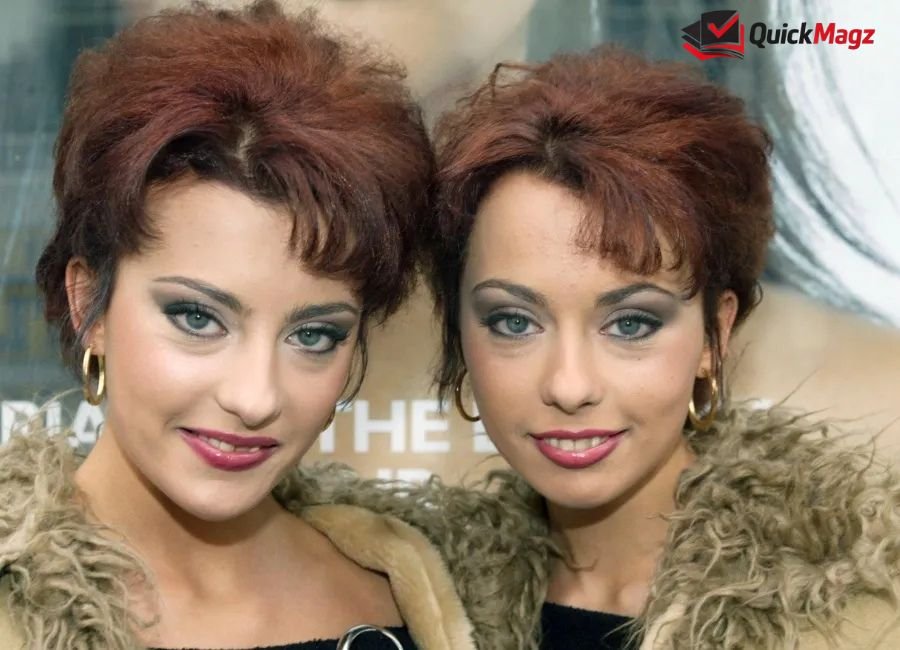
The Cheeky Girls are one of those pop acts people remember instantly, even if they have not heard their music in years. Their name brings back a very specific moment in early 2000s entertainment: bright outfits, playful dance routines, reality TV auditions, tabloid attention, and pop songs that were impossible to ignore.
Made up of Romanian twin sisters Gabriela and Monica Irimia, the Cheeky Girls became famous after appearing on Popstars: The Rivals in 2002. They did not win the show, but they walked away with something just as powerful: public attention. Their debut single, “The Cheeky Song (Touch My Bum),” became a major UK chart hit, reaching number two on the Official Singles Chart.
Their story is not just about one novelty song. It is about timing, personality, branding, media culture, and the strange magic that turns certain entertainers into lasting pop culture memories.
BIO
| Full Name | The Cheeky Girls |
|---|---|
| Members | Gabriela and Monica Irimia |
| Origin | Cluj-Napoca, Romania |
| Nationality | Romanian |
| Profession | Pop Singers and TV Personalities |
| Genre | Pop, Dance-Pop |
| Famous Song | “The Cheeky Song (Touch My Bum)” |
| Breakthrough Year | 2002 |
| Reality Show | Popstars: The Rivals |
| Debut Album | PartyTime |
| Known For | Catchy Pop Songs and Fun Image |
| Peak Popularity | Early 2000s |
| Legacy | Memorable Early 2000s Pop Culture Icons |
Who Are the Cheeky Girls?
The Cheeky Girls are Gabriela and Monica Irimia, identical twin sisters born in Cluj-Napoca, Romania. Before becoming famous in Britain, they had a performance background that included gymnastics, ballet, and stage experience. That early training helped shape the high-energy, theatrical image that later made them stand out.
Their move into British entertainment came at a time when reality TV was becoming a powerful launchpad for new pop acts. Shows like Popstars, Pop Idol, and later The X Factor were changing how audiences discovered singers. Viewers were no longer just buying music; they were following personalities, auditions, backstories, and weekly TV moments.
That environment gave the Cheeky Girls the perfect opening. They were not presented as polished industry-made stars. They felt unusual, funny, bold, and instantly recognizable. In a crowded pop scene, that mattered.
Their Reality TV Breakthrough

The Cheeky Girls first became widely known through Popstars: The Rivals, the same show that created Girls Aloud. While many contestants tried to impress judges with traditional pop vocals, Gabriela and Monica stood out because their audition felt completely different.
They performed with confidence, humor, and a cheeky sense of fun. The performance was unusual enough to be remembered, repeated, and talked about. Even though they were not chosen as winners, they became one of the most memorable acts from the show.
This is one of the most important reasons the Cheeky Girls became pop culture favorites. They understood something many reality TV contestants did not: being remembered can be just as valuable as being technically perfect.
Their appearance arrived before TikTok, Instagram Reels, and modern viral culture. Yet the effect was similar. People talked about them at school, at work, in newspapers, and on television. Their image spread through word of mouth, tabloid coverage, music channels, and entertainment shows.
The Song That Made Them Famous
After their TV breakthrough, the Cheeky Girls released “The Cheeky Song (Touch My Bum)” in December 2002. The track was simple, playful, and extremely catchy. It was not trying to be serious pop art. It was built around a memorable hook, a danceable beat, and a personality-driven performance.
The song became a huge commercial success. According to Official Charts, it reached number two in the UK Singles Chart and remained one of their defining releases. Their full Official Charts history also shows that the duo had several UK Top 10 singles between 2002 and 2004.
What made the song work was its directness. Listeners could understand it immediately. The title was provocative enough to spark curiosity, but the delivery was more silly than shocking. It became the kind of song people either loved, laughed at, or complained about, but almost everyone remembered it.
That kind of reaction is powerful in pop culture. Not every successful act needs universal critical praise. Sometimes, cultural impact comes from being unforgettable.
Why Their Image Worked
The Cheeky Girls had a clear identity from the start. They were playful, confident, colorful, and slightly outrageous. Their matching outfits, synchronized performances, and twin image made them easy to recognize.
In pop music, branding matters. The early 2000s were full of carefully styled acts, from polished girl groups to boy bands and dance-pop performers. The Cheeky Girls were different because they leaned into their own oddness. They did not look or sound like everyone else, and that helped them cut through the noise.
Their name also played a major role. “Cheeky Girls” was short, memorable, and perfectly matched their public image. It told audiences exactly what to expect: fun, flirtation, humor, and light entertainment.
That consistency made them marketable. Whether they were performing, giving interviews, or appearing in entertainment news, they had a recognizable personality. In a media world that rewards instant recognition, that was a major advantage.
The Power of Early 2000s Nostalgia
To understand the Cheeky Girls’ popularity, it helps to understand the early 2000s. British pop culture at the time was full of reality shows, novelty singles, tabloid celebrities, music countdowns, and Saturday night TV moments.
This was an era when a funny audition or catchy chorus could quickly become part of everyday conversation. Audiences enjoyed pop acts that were entertaining, even when critics were harsh. The Cheeky Girls fit that world perfectly.
Their music was light, energetic, and made for parties. Their performances were simple enough for people to imitate. Their look was bright and memorable. They became part of the soundtrack of an era when pop was often loud, playful, and unashamedly fun.
Today, that same era carries strong nostalgic value. Many people who were children or teenagers in the 2000s now look back on acts like the Cheeky Girls with affection. The songs may be silly, but they represent a time, a mood, and a shared cultural memory.
Criticism and Public Reaction
The Cheeky Girls were not universally praised. In fact, much of their fame came with criticism. Some music critics dismissed them as a novelty act. Others mocked the lyrics, the performances, or the commercial nature of their success.
But that criticism did not stop them from becoming popular. In some ways, it helped keep them in the conversation. The Cheeky Girls became a classic example of an act that critics could mock but audiences still remembered.
Their career shows an important truth about pop culture: popularity and critical approval are not always the same thing. A song can be judged harshly and still become a hit. A performer can be laughed at and still build a loyal fan base.
The Cheeky Girls seemed to understand their role. They did not try to reinvent themselves as serious ballad singers or mysterious pop stars. They stayed close to the image that made them famous, and that consistency helped their brand last.
More Than One Hit
Although many people mainly remember “The Cheeky Song,” the Cheeky Girls had more chart success than some casual listeners realize. Their follow-up single, “Take Your Shoes Off,” also performed strongly, reaching number three on the UK Singles Chart.
Their debut album, PartyTime, reached number 14 on the UK Albums Chart in 2003. This showed that their popularity was not limited to one viral TV moment. They had enough public interest to support multiple releases, performances, and media appearances.
Their songs were built around the same formula: simple hooks, dance-pop energy, and a cheerful sense of fun. For fans, that was the appeal. The Cheeky Girls were not asking listeners to take everything too seriously. They were offering entertainment, and they delivered it with confidence.
Media Attention and Celebrity Culture
The Cheeky Girls became famous during a period when British tabloids had enormous influence over celebrity culture. Reality TV contestants, pop singers, models, presenters, and novelty acts could become household names very quickly if the press found them interesting.
Gabriela and Monica had several qualities the media loved. They were twins, they had a bold image, they came from Romania, and they had a hit song with a headline-friendly title. Their lives and careers were easy to package into entertainment stories.
That media attention helped extend their fame beyond music. They became personalities, not just singers. People recognized their faces, their outfits, their accents, and their playful catchphrases. This wider recognition is one reason they stayed in public memory long after their biggest chart moment.
Their Human Side
Behind the fun image, the Cheeky Girls also faced difficult moments. Fame came quickly, and sudden public attention can be hard to manage. In later interviews reported by major outlets, the sisters spoke about struggles with body image, mental health, and the pressures that followed their rise to fame.
This part of their story adds depth to how people view them today. At the height of their fame, they were often treated as a joke by parts of the media. Over time, however, many people have come to see them with more empathy.
They were young women navigating fame in a harsh tabloid environment. Their cheerful public image did not mean everything behind the scenes was easy. That contrast makes their story more human and more meaningful than a simple “novelty pop” label suggests.
Why People Still Remember Them
The Cheeky Girls remain memorable because they created a complete pop culture moment. They had the song, the look, the TV origin story, the media attention, and the personality. Each part supported the other.
Their fame also arrived at the right time. Reality TV was fresh, pop music was highly visual, and audiences were open to acts that mixed music with entertainment. The Cheeky Girls gave people something to talk about, sing along to, and remember.
Even people who criticized them often remembered every detail. That is the strange power of pop culture. The acts that last are not always the most technically perfect. They are the ones that leave a mark.
Their Comeback Appeal
In recent years, the Cheeky Girls have continued to appear in nostalgic entertainment stories and public performances. Reports have noted that they still attract attention from fans who remember the 2000s, while also finding new interest through platforms like TikTok.
That renewed attention makes sense. Modern internet culture often celebrates the kind of bold, playful, slightly surreal entertainment that the Cheeky Girls represented long before social media became dominant.
Their music fits short-form nostalgia perfectly. A catchy chorus, a recognizable dance move, and a bright visual identity are exactly the ingredients that travel well online. In that sense, the Cheeky Girls were ahead of their time.
What Their Success Teaches Us
The Cheeky Girls’ success offers a useful lesson about entertainment. Talent matters, but identity matters too. Audiences remember performers who make them feel something, whether that feeling is joy, amusement, nostalgia, or curiosity.
They also show the value of confidence. Gabriela and Monica built a career from a performance many people might have been too shy to attempt. They embraced their image, committed to their brand, and turned a reality TV audition into lasting recognition.
For bloggers, marketers, and anyone studying pop culture, their story is a reminder that memorability is powerful. A clear image, a catchy message, and a strong personality can carry an act further than expected.
Conclusion
The Cheeky Girls became pop culture favorites because they were impossible to ignore. Their rise combined reality TV exposure, catchy music, bold branding, media attention, and a sense of fun that matched the early 2000s perfectly.
They were not traditional pop icons, and that is exactly why people remember them. They stood out by being playful, confident, and completely themselves. Their biggest song became a cultural reference point, but their lasting appeal comes from more than one catchy chorus.
The Cheeky Girls remind us that pop culture is not only about perfection. Sometimes, it is about personality, timing, and the courage to be unforgettable.
FAQs About the Cheeky Girls
Who are the Cheeky Girls?
The Cheeky Girls are Romanian twin sisters, Gabriela and Monica Irimia. They became famous in the UK after appearing on Popstars: The Rivals in 2002 and later released several popular pop songs.
What is the Cheeky Girls’ most famous song?
Their biggest hit is “The Cheeky Song (Touch My Bum)”. The song became a major success in the UK and remains strongly linked to early 2000s pop culture.
Why did the Cheeky Girls become so popular?
The Cheeky Girls became popular because of their catchy music, energetic personalities, colorful style, and memorable TV appearances. Their fun image helped them stand out from other pop acts at the time.
Are the Cheeky Girls still active today?
Yes, the Cheeky Girls still make occasional public appearances and remain connected with fans through media events and social platforms. They continue to attract attention from people nostalgic for 2000s pop culture.
Did the Cheeky Girls have other hit songs?
Yes, besides “The Cheeky Song,” they also released successful singles like “Take Your Shoes Off” and “Hooray Hooray (It’s a Cheeky Holiday)”, which performed well on the UK charts.
