

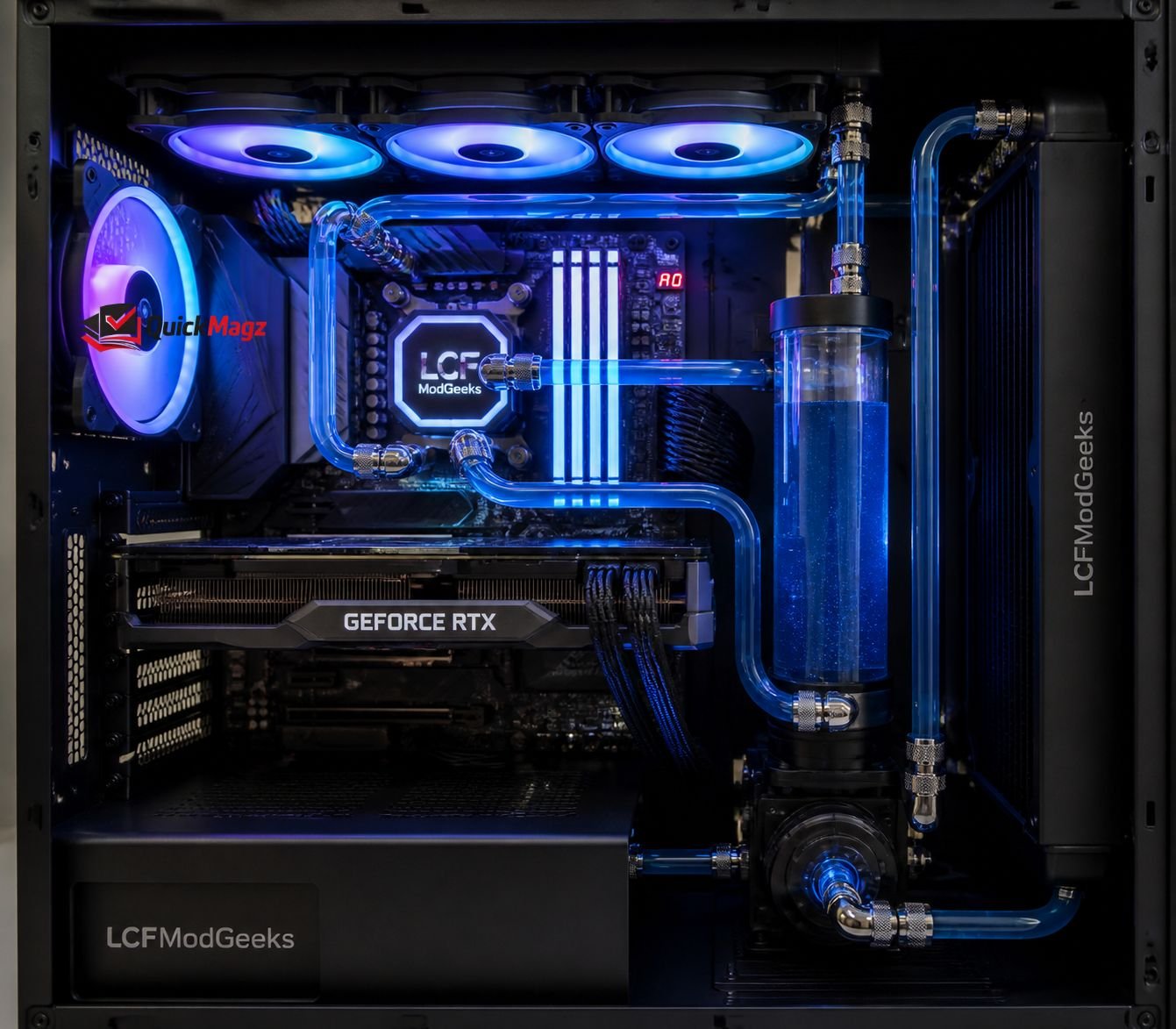
new hardware lcfmodgeeks Upgrading your system with new hardware for LCFModGeeks can transform your experience, helping you achieve smoother performance, faster load times, and more stable gameplay or mod workflows. In this guide, we’ll walk through how fresh components can unlock power, which parts matter most, how to install and optimize them, and how to maintain peak performance over time. This isn’t surface-level advice you can find everywhere. It’s deep, practical, and written for real users who want real results.
Why New Hardware Matters for LCFModGeeks
Every system, whether desktop or laptop, relies on key hardware components like the processor, graphics card, memory, and storage to run software efficiently. A gaming computer or mod-heavy setup that isn’t equipped with modern components will struggle not just with raw speed but with consistency and responsiveness too. Gaming computers often pair an x86-based CPU with a dedicated graphics card and high‑performance RAM to manage demanding tasks like rendering, physics, and data throughput. (Wikipedia)
LCFModGeeks, like other intensive tools and platforms, benefits when your hardware can quickly handle large datasets, complex models, or richly modded environments. Without the right components, you’ll face stutter, slow load times, and bottlenecks that degrade your experience.
Key Components That Boost Performance
Upgrading your hardware isn’t just about tossing money at the newest parts. It’s about knowing which parts give you the most noticeable improvement for LCFModGeeks setups.
Graphics Card (GPU)
A powerful graphics card is central to rendering smooth visuals and handling graphically intensive operations. Modern GPUs are designed to process high volumes of graphical data, dramatically affecting frame rates and overall responsiveness. Even a balanced mid‑range card can significantly outperform older hardware. (How-To Geek)
For users seeking top-tier performance at high resolution or with modded environments, consider GPUs that support fast memory bandwidth and high core counts. The GPU does most of the heavy lifting when it comes to frames per second and visual fidelity.
Processor (CPU)
The CPU drives the logic and processes that control everything your computer does. For LCFModGeeks workloads that involve computation or simulation tasks, a strong processor ensures that the system doesn’t fall behind.
Modern CPUs deliver faster clock speeds and improved efficiency, but it’s equally important to match the CPU’s capabilities with your other components so one part doesn’t hold back the rest. Tools and guides exist to help calculate where bottlenecks occur so you can balance your upgrades effectively. (Orbit2X)
Memory (RAM)
RAM is your system’s short‑term memory, and having enough of it prevents slowdowns when juggling multiple tasks. For heavy mod workflows, 32GB of RAM is increasingly recommended to avoid stutters and ensure fluid performance. (TechRadar)
Faster RAM modules also improve overall system responsiveness, especially if your software or mods actively use large amounts of memory.
Storage (SSD Over HDD)
Switching from older hard drives to an NVMe SSD delivers some of the most dramatic benefits for everyday performance. SSDs offer vastly faster read and write speeds, which translate into shorter load times and quicker boot processes. This means not only will your system start up faster, but the software and mods you love will load without delays. (Kingspec Tech)
Cooling and Power Delivery
High performance parts generate heat, and unmanaged heat leads to throttling where your system slows itself down to prevent damage. Investing in a robust cooling solution and ensuring your power supply can reliably support upgraded parts is essential for long‑term performance gains. (PC Outlet)
Step‑by‑Step Hardware Upgrade Guide
Upgrading your hardware can feel intimidating if you haven’t done it before. Here’s how to make it methodical and stress‑free.
1. Assess Your Current System
Before buying parts, take stock of what you have. Identify your current CPU, GPU, RAM, and storage. Tools and online guides can help you see where your system falls short and which upgrade offers the biggest return. Calculators that analyze bottlenecks are especially useful so you don’t replace parts unnecessarily. (Orbit2X)
2. Choose Compatible Components
Compatibility matters. Ensure the parts you pick match your motherboard’s socket, support your RAM type (e.g., DDR5 over DDR4), and fit inside your case. Check power requirements too a high‑end GPU can demand upwards of 750W.
If your motherboard is outdated, it might limit speed or prevent newer parts from working at all. In that case, a platform upgrade (new motherboard + CPU) may be worth planning for the future. (Tech Times)
3. Prepare Your Workstation
Work on a static‑free surface. Use an anti‑static wristband if available. Power down your system, unplug, and open the case. Keep track of screws and be gentle computer parts are sensitive.
4. Install the New Hardware
- CPU: Remove the old processor, align the new one in the socket, and secure it. Apply thermal paste if necessary.
- GPU: Slide the new graphics card into the PCIe slot and tighten the bracket screws.
- RAM: Push memory sticks firmly into their slots until they click.
- SSD: Insert your NVMe SSD into the dedicated slot on the motherboard.
Follow your product manuals step by step. If you’re unsure, local tech forums and manufacturer guides offer visual help.
5. Configure and Optimize Post‑Installation
Once hardware is in place:
- Update BIOS This ensures your system recognizes the new parts.
- Install Drivers GPU drivers from Nvidia or AMD and updated chipset drivers unlock stability and performance settings.
- Check BIOS Settings Enable XMP/EXPO for RAM to run at rated speeds.
- Run Stress or Monitoring Tools Tools like MSI Afterburner help monitor temps and usage in real time. (Wikipedia)
These steps help your system and new hardware LCFModGeeks work in harmony.
Software Tuning for Better Performance
Your hardware is only as good as how you use it. Take time to configure performance settings:
Match System Settings to Your Hardware
Software settings matter. If your hardware supports higher refresh rates, higher resolutions, or advanced graphical effects, enable them. But if your system struggles at those levels, dial settings down to keep performance steady.
Keep Drivers and Software Updated
Drivers evolve to fix bugs and unlock performance improvements for both hardware and the software you use. Regular updates keep everything running smoothly.
Use System Tools to Stay Lean
Clean up startup programs, disable unnecessary background tasks, and only keep software you need. A clean system environment means more resources for LCFModGeeks.
Troubleshooting and Ongoing Maintenance
Even with the best parts, issues can arise.
Common Problems and Fixes
- Random Crashes Check temperatures for overheating or faulty RAM.
- Low Frame Rates Verify settings aren’t too ambitious for your hardware.
- Incompatibilities Check BIOS updates and driver versions.
Be patient and systematic in your approach most performance problems have clear solutions.
Routine Upkeep
Dust buildup is a slow killer of performance. Regularly clean fans and filters. Update drivers. Occasionally check that RAM and GPU are seated properly. Simple maintenance extends the life of your upgrades and keeps performance consistent.
Conclusion
Upgrading to new hardware for LCFModGeeks isn’t just about having flashy new parts. It’s about thoughtfully pairing components that work together so your system can deliver the performance you need every day.
From choosing the right GPU to ensuring you have enough RAM, from installing parts correctly to tuning software every step matters. With a balanced approach, you’ll find your LCFModGeeks setup running faster, smoother, and more reliably than ever.
Take your time, plan carefully, and treat your upgrade as an investment in performance. You’ll enjoy the payoff every time your system responds instantly and handles demanding tasks with ease.
Frequently Asked Questions
1. What hardware upgrades are most important for improving LCFModGeeks performance?
Upgrading your GPU, CPU, RAM, and switching to an SSD will have the most significant impact. These components directly affect frame rates, loading times, and overall stability, especially in a mod-heavy environment like LCFModGeeks.
2. Do I need a high-end GPU for LCFModGeeks?
While a high-end GPU can enhance graphical performance, it’s not always necessary. A mid-range GPU can suffice for most users, but if you’re working with complex mods or 4K textures, investing in a higher-end GPU will improve performance.
3. How much RAM should I have for optimal LCFModGeeks performance?
A minimum of 16GB is recommended, but 32GB of RAM is ideal for handling large mod files or multitasking without performance issues. Faster RAM also helps improve responsiveness.
4. Is liquid cooling necessary for LCFModGeeks?
Liquid cooling is not strictly necessary, but it’s recommended for high-performance systems. It helps maintain low temperatures during long gaming or modding sessions, preventing thermal throttling and ensuring consistent performance.
5. Can I maximize LCFModGeeks performance without upgrading every component?
Yes! Focus on the most impactful upgrades first. Start with the GPU, CPU, or SSD, and later upgrade RAM and cooling if needed. Prioritize based on your system’s current bottlenecks.
